Friday, 21 August 2026

Isithunzi: the weight of the shadow

Street portraits from contested spaces, where the shadow is not an absence of light but a presence of spirit.

In Nguni philosophy, the concept of isithunzi exists at an intersection of the tangible and the metaphysical. Literally translating to the physical shadow cast by the body, it simultaneously represents the core of human dignity, moral weight, and personal identity. It is the spiritual currency of life: a person does not merely possess isithunzi, they embody it. To have a heavy isithunzi is to command respect, presence, and moral authority, while its diminishment represents a loss of self and stature within the community. My photographic work acts as a visual interrogation of this dual nature, capturing the physical silhouettes dancing across the pavements of city, township, and rural life. It serves to mirror the unseen spiritual dignity of my subjects.
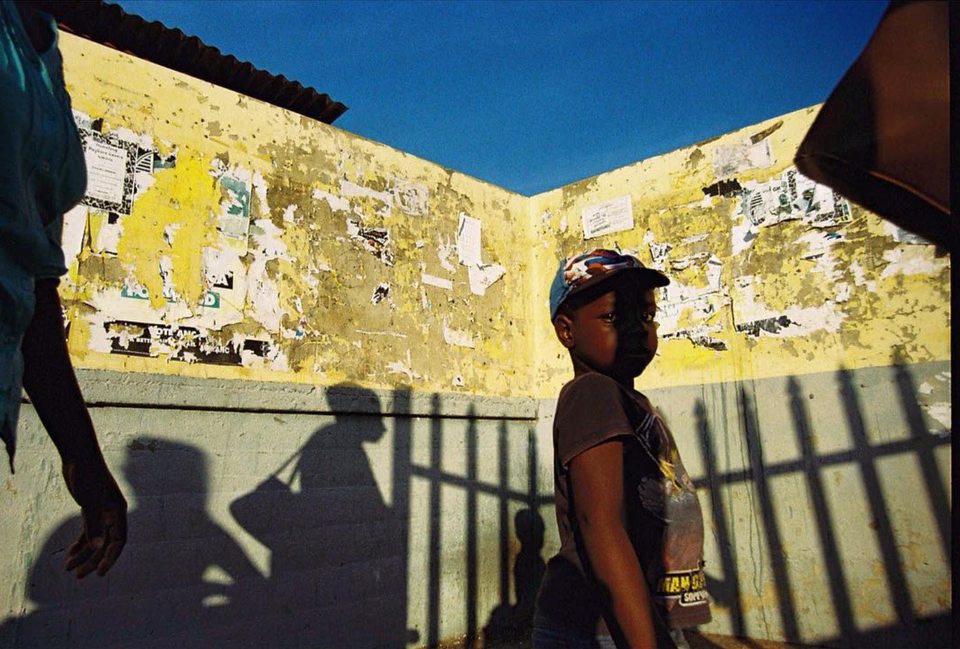
A boy in a cap walks past a yellow wall covered in torn posters, with railing shadows and a figure's shadow cast across the wall.
01 / 11 · Salvokop Bridge, Pretoria. A boy in a cap walks the corner of a wall of torn election posters, the railings and a bent figure printed onto the plaster behind him.Emmanuel Munano
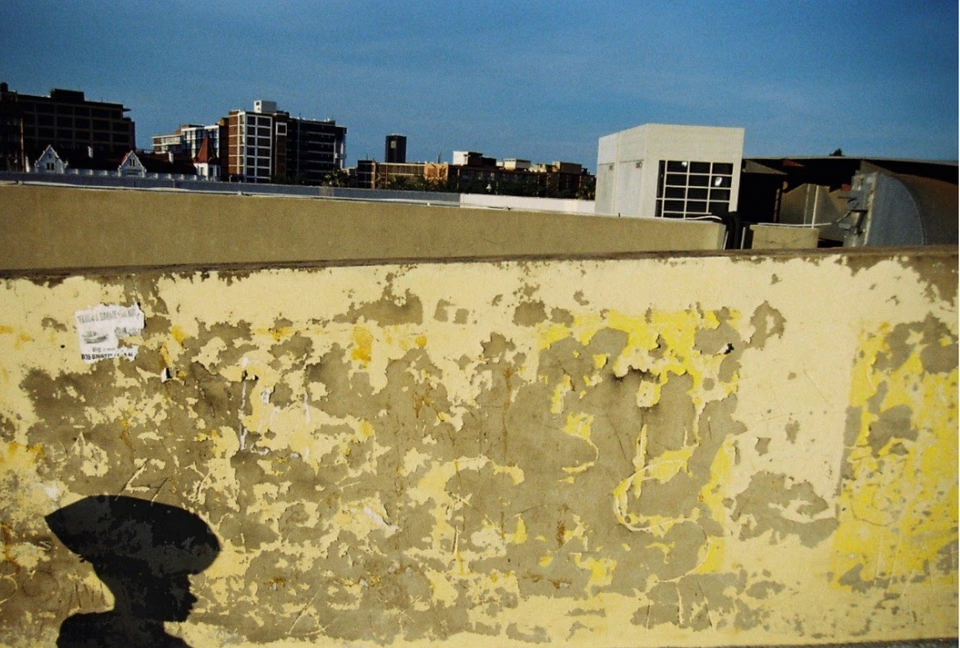
A peeling yellow bridge wall with the Pretoria skyline behind it and the photographer's head-and-shoulder shadow in the lower left corner.
02 / 11 · Salvokop Bridge, Pretoria. The city stands above a stripped yellow wall and the only figure in the frame is the photographer's own, entering from the bottom corner.Emmanuel Munano

This indigenous understanding of the shadow finds a compelling, cross-cultural echo within western depth psychology, particularly through the framework of Carl Jung. Jung posited the shadow as the unconscious repository of the self, closely linked to the dynamics of the anima and animus - the internal archetypes that govern how we relate to the inner and outer worlds. By bridging Nguni ontology with Jungian thought, my work explores the shadow as a site of projection and reprojection. In the choreography of daily life, we constantly cast our psychological shadows onto others. True self-awareness requires an individual to be deeply concerned with how their shadow is perceived and received by the other. To ignore the shadow is to surrender control over how one is integrated into the collective consciousness.
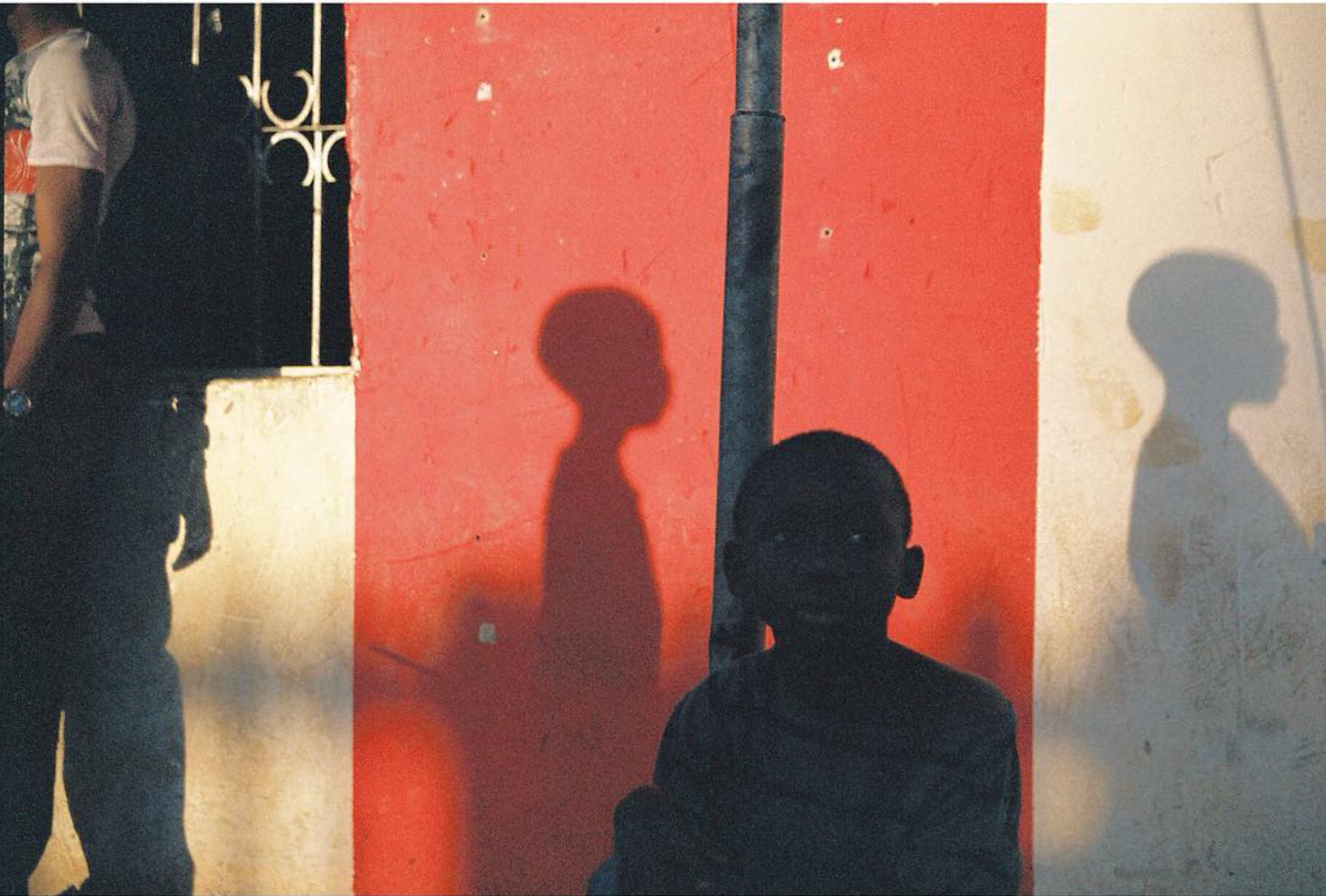
A young boy in silhouette sits against a red and white painted wall, with two head-and-shoulder shadows falling on either side of him.
03 / 11 · Mamelodi West, Pretoria. A boy sits at the join of the red and the white while two cast profiles keep their own positions on either side of him.Emmanuel Munano
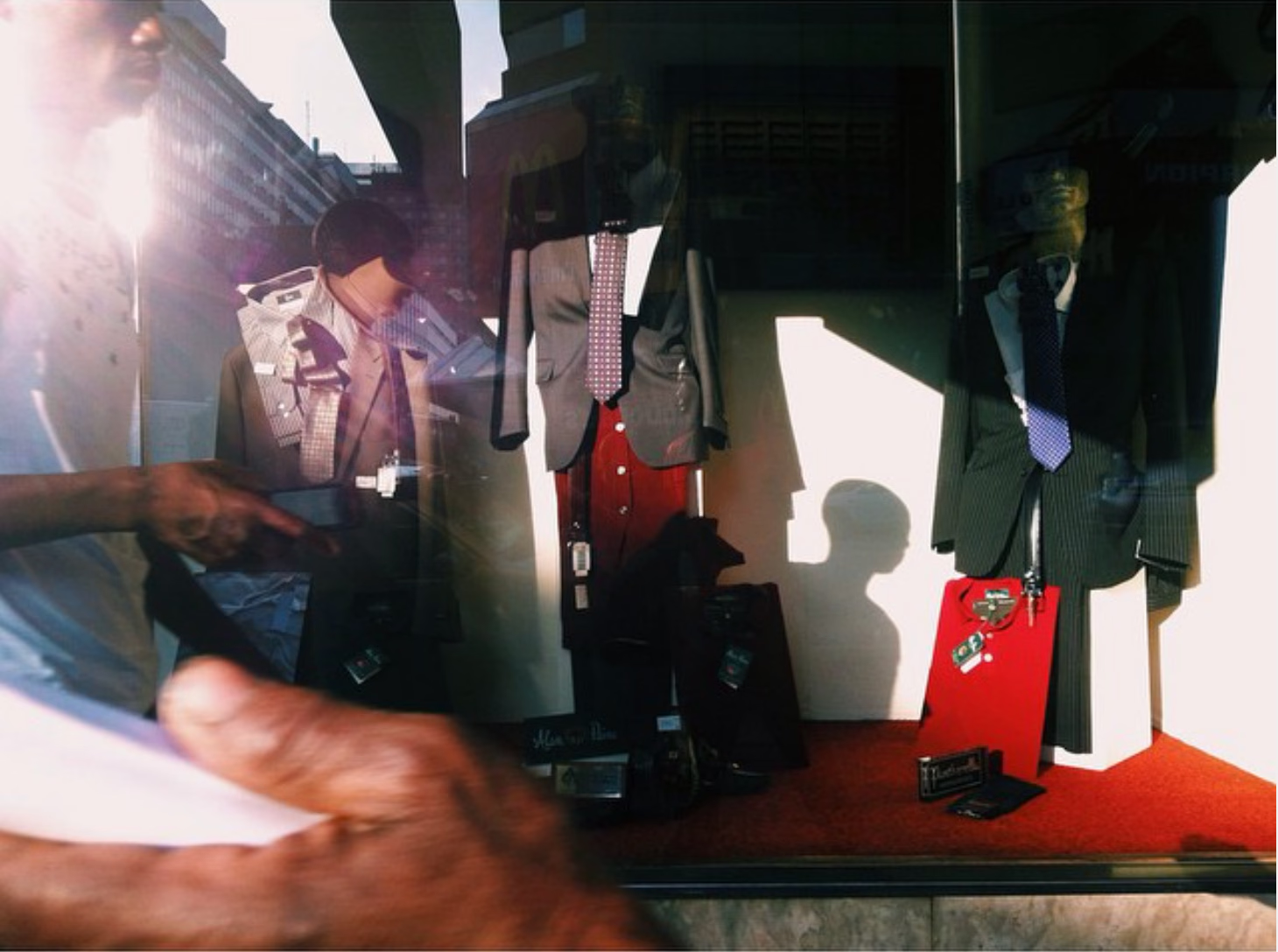
A menswear display window of suits and ties on hangers, a passer-by reflected in the glass and a head-shaped shadow on the back wall.
04 / 11 · Paul Kruger Street, Pretoria. Jackets and ties hang in the display with nobody in them, while a passer-by and the shadow of a head arrive in the same sheet of glass.Emmanuel Munano
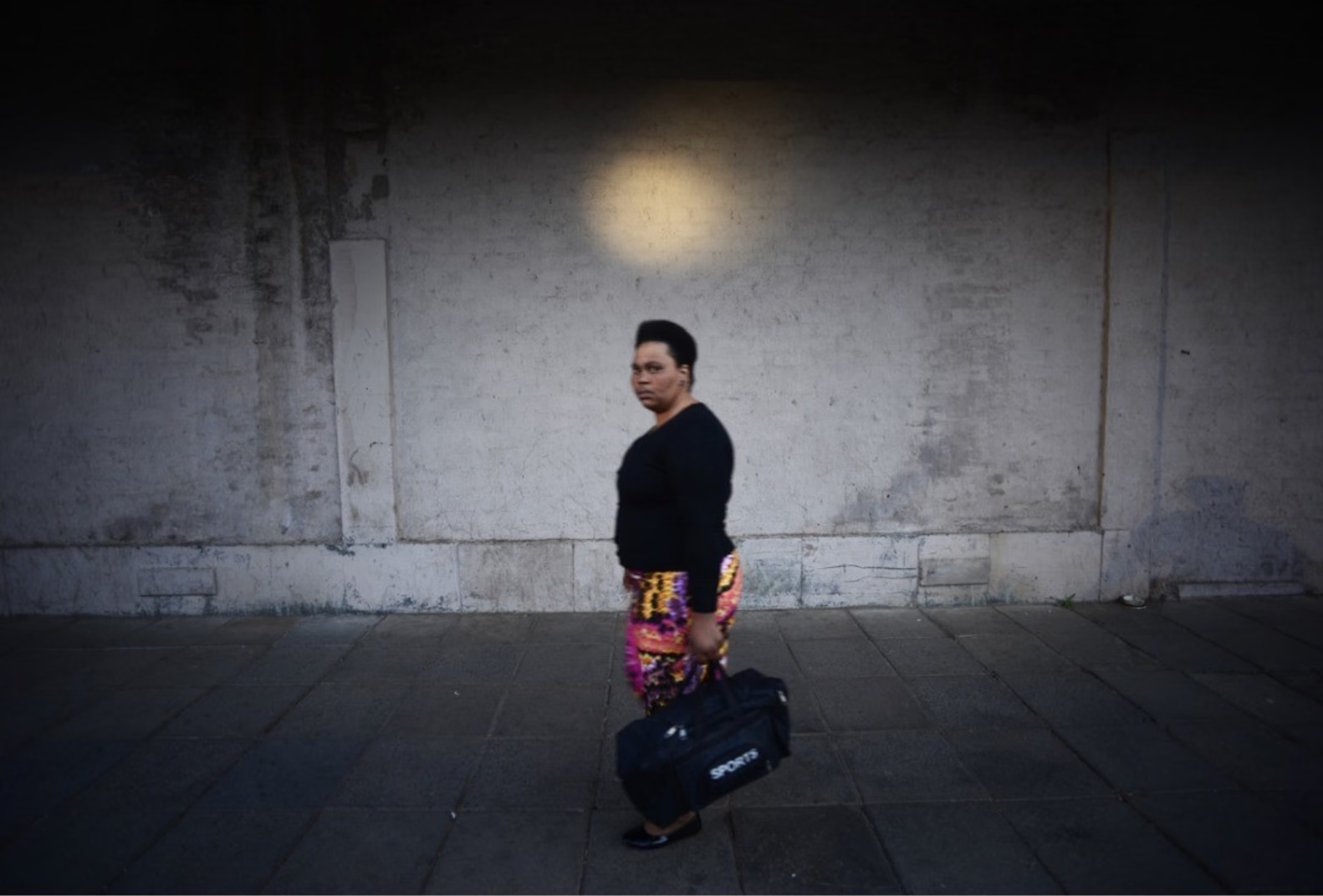
A woman in a black top and patterned skirt walks along a pavement carrying a sports bag, beneath a round pool of light on a dark wall.
05 / 11 · Schoeman Street, Pretoria. A woman carries a sports bag past a dark wall, held for a moment inside the single circle of light thrown onto the plaster above her.Emmanuel Munano
A man sits with a takeaway coffee cup behind a window, the reflected street and buildings overlaying his face and jacket.
06 / 11 · Pretorius Street, Pretoria. A man rests against the pillar with a takeaway cup while the street outside carries on straight across his face.Emmanuel Munano
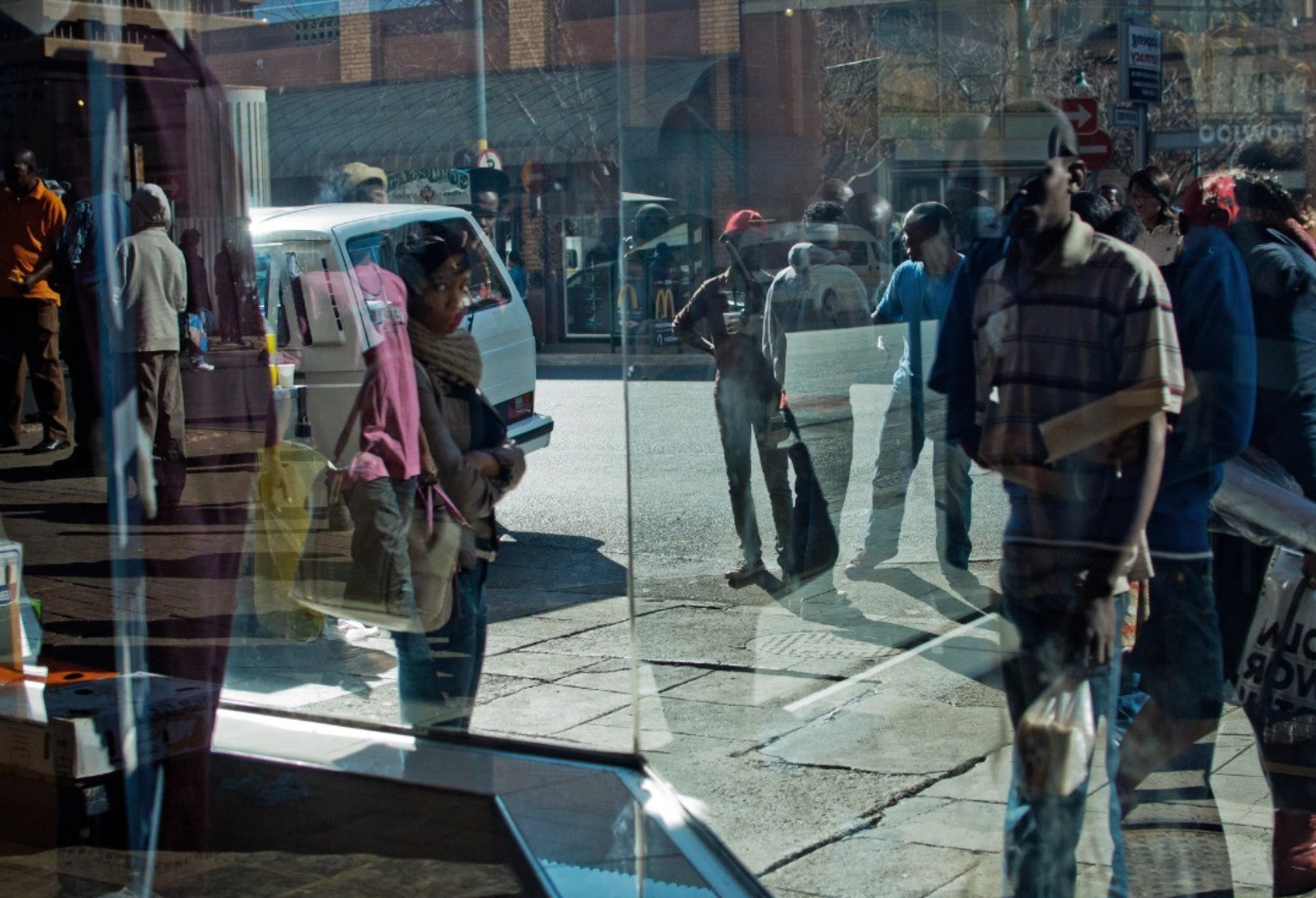
Pedestrians and a minibus taxi seen through and reflected in a shopfront window, layering two views of a busy street.
07 / 11 · Lilian Ngoyi Street, Pretoria. Shopfront glass folds the pavement crowd into the street behind it, so the same people stand on both sides of the frame at once.Emmanuel Munano
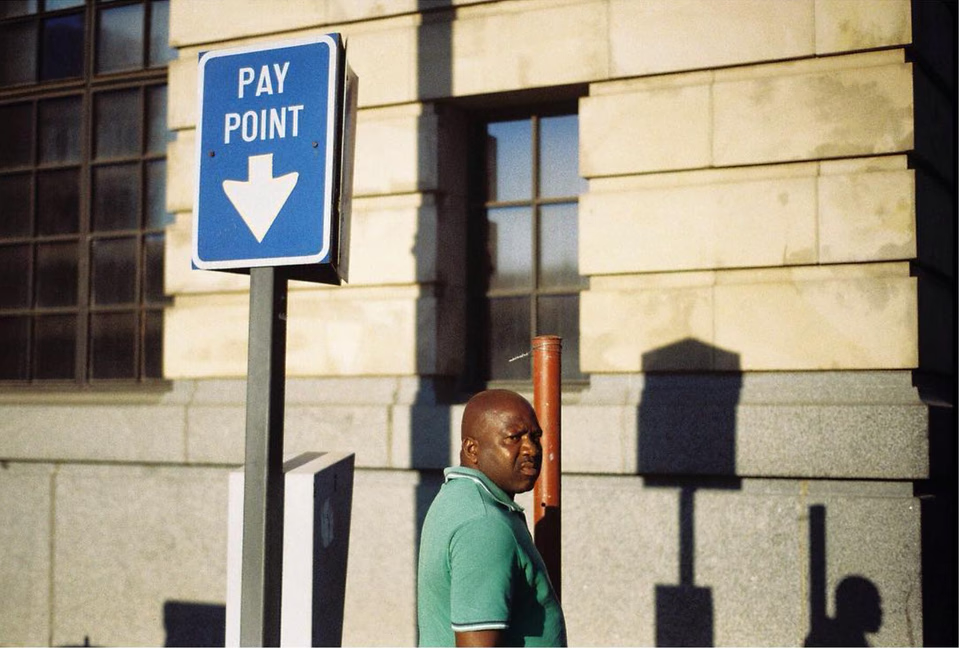
A man in a green golf shirt walks past a blue "Pay Point" sign, with his shadow and the sign's shadow falling on a sandstone wall.
08 / 11 · Church Square, Pretoria. A man passes under the parking sign in late sun, the sandstone behind him carrying the shadow of the pole, the sign, and his own head.Emmanuel Munano
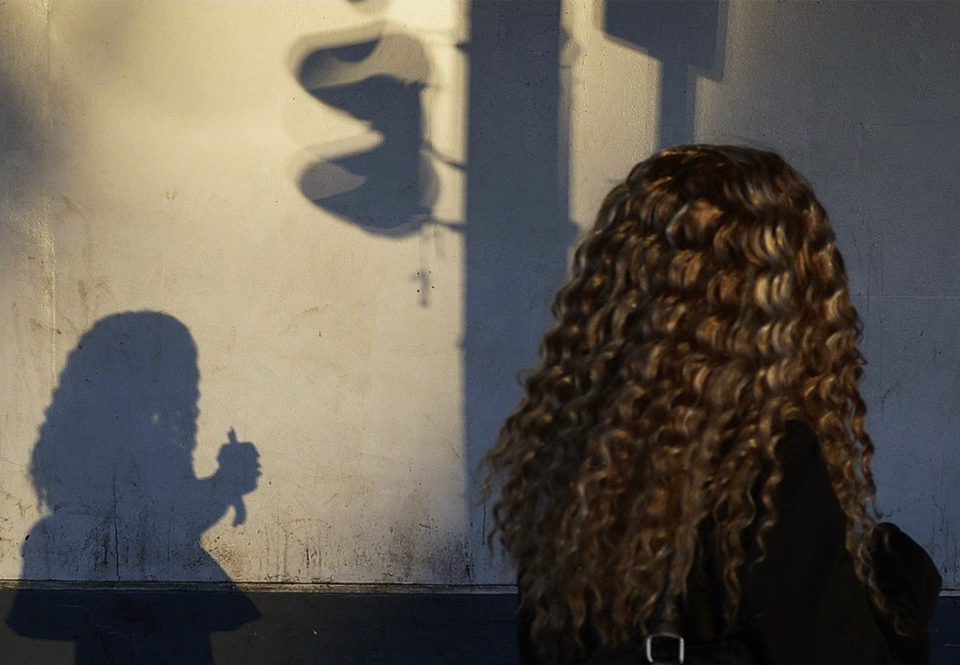
A woman with long curly hair, seen from behind, faces a sunlit wall where her shadow holding a cup falls beside a traffic-light shadow.
09 / 11 · Du Toit Street, Pretoria. A woman faces the wall in the last of the light while her shadow, cast beside the shadow of a traffic signal, lifts a cup ahead of her.Emmanuel Munano
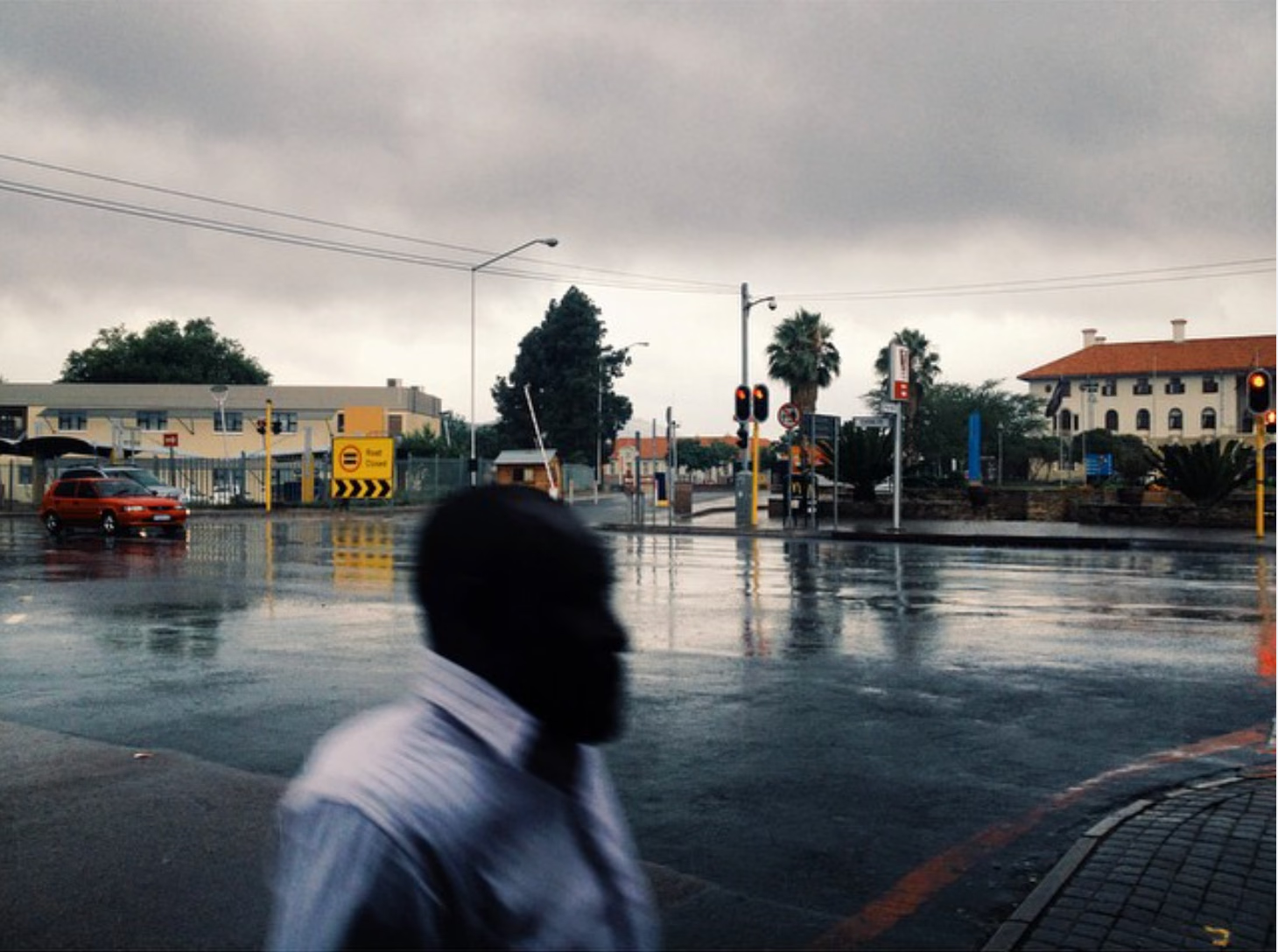
A man in a white shirt walks through a rain-soaked intersection at dusk, his head a dark silhouette against wet tar.
10 / 11 · Bosman Station, Pretoria. A commuter crosses out of the frame while the intersection holds the weather, traffic lights and signage doubled in the wet tar behind him.Emmanuel Munano
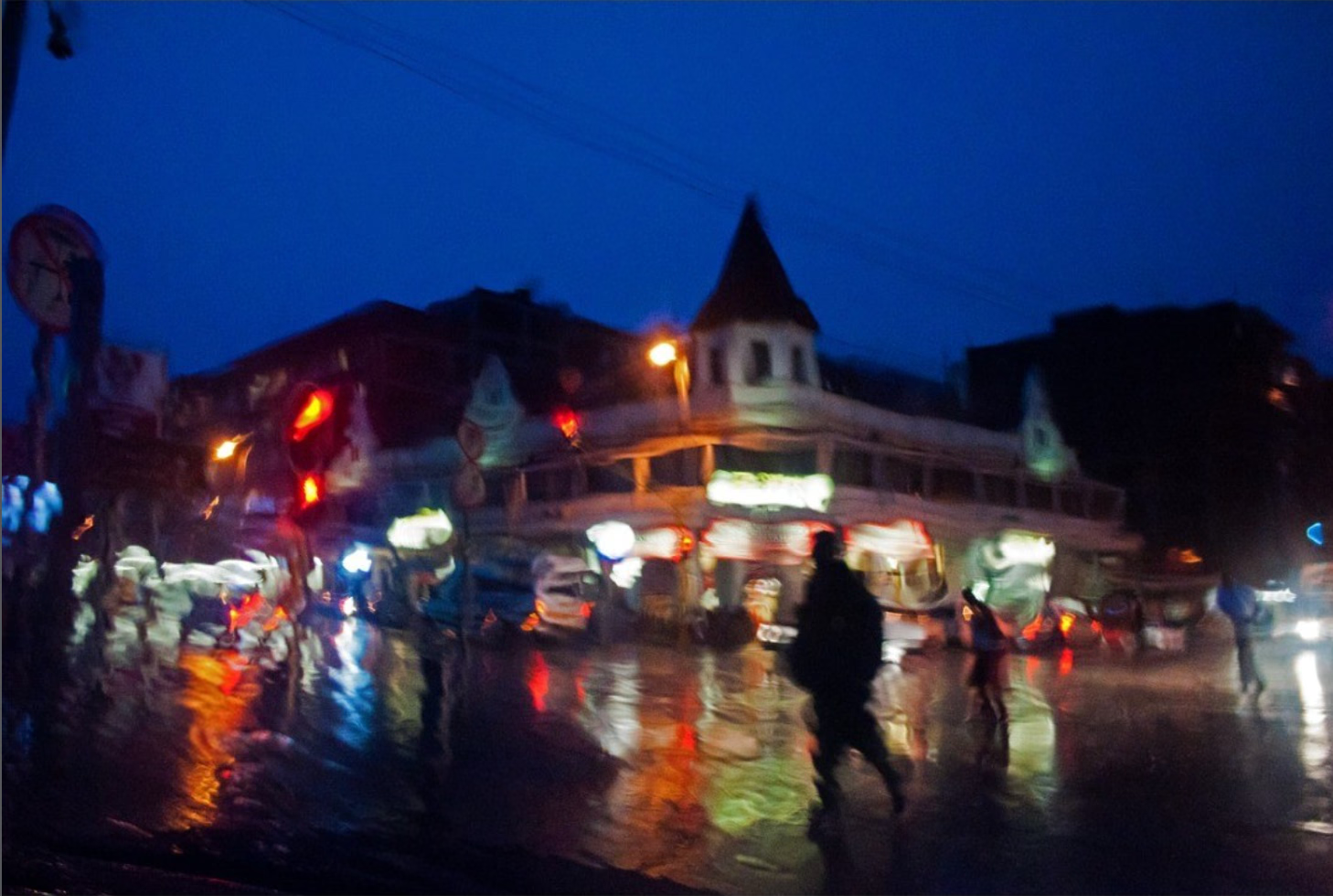
Blurred blue-hour street scene in rain, taxi and shop lights reflecting on a flooded road, a dark figure walking across the centre.
11 / 11 · Bosman Station, Pretoria. Rain, taxi lights and a turreted facade collapse into one another at blue hour, with a single walker holding his shape in the middle of it.Emmanuel Munano

This delicate balance between the individual shadow and the collective is further contextualised by the decolonial scholarship of Sabelo J. Ndlovu-Gatsheni, particularly his critical analysis of the Ndebele nation. Ndlovu-Gatsheni demonstrates how individual identity is structured within, and sometimes constrained by, the hegemonic frameworks of family, clan, and community life. Within these rigid social hierarchies, an individual's isithunzi is constantly being negotiated. My images seek to show that a person can consciously uplift their social image and reclaim their agency. By becoming radically aware of their own shadow - both its cultural expectations and its psychological depths - an individual can navigate, resist, and elevate their standing within these historical and contemporary hegemonic structures.

Through the lens of street portraiture, Isithunzi captures ordinary people moving through heavily contested spaces. By capturing the stark interplay of light, ink-black shadows, and candid humanity, these photographs frame the shadow not as an absence of light, but as a presence of spirit. The series ultimately serves as an invitation: to look closely at the silhouettes we cast on the earth, to confront the psychological projections we carry, and to consciously cultivate the dignity that defines our place in the human tapestry.