Saturday, 22 August 2026

A point of passage

The Golden Arrow terminus in the hours before the city arrives and after it has gone home.

The Cape Town bus terminus on Charl Malan Street is the primary hub for the Golden Arrow public bus network. Every working day, hundreds of thousands of commuters travel through it from the townships of the Cape Flats into the city centre and back again.

The terminus serves areas including Khayelitsha, Mitchells Plain, Gugulethu, Nyanga, Philippi, Delft, Langa, Bonteheuwel and Manenberg. The distances between these townships and the city centre are enormous, a direct consequence of apartheid-era urban planning that deliberately placed Black and Coloured residential areas as far as possible from the white economic centre. The Group Areas Act of 1950 created a spatial geography designed to keep labour available but communities separated. That geography has not meaningfully changed. In peak hour traffic the journey from Khayelitsha can take well over an hour, and from Mitchells Plain the travel time is similar. Many commuters leave home before first light, arrive before dawn, and catch the bus home only after dark. The cost of a monthly bus pass consumes a significant portion of household income, yet Golden Arrow remains one of the more reliable forms of public transport in the city.
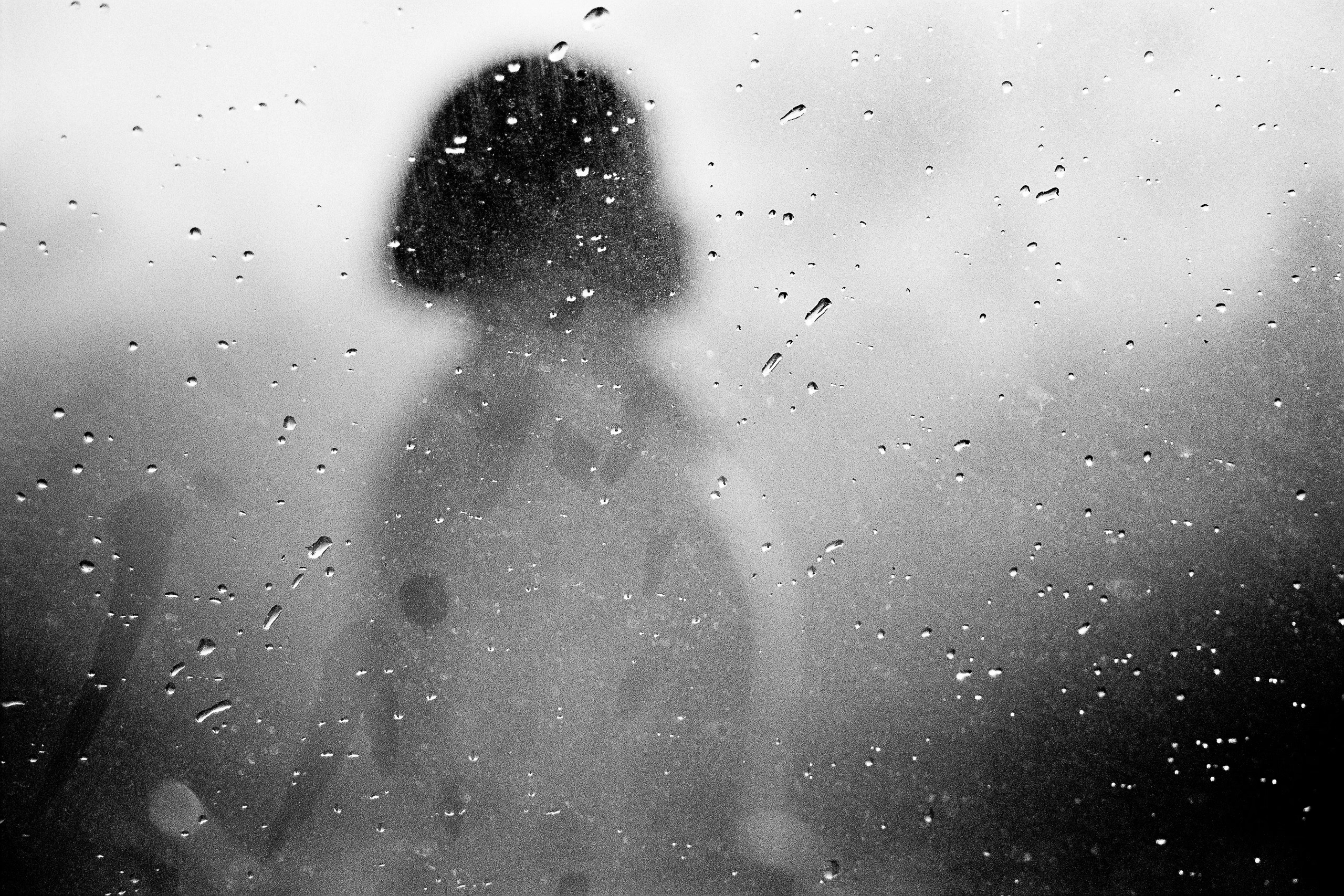
Person's blurred silhouette seen through steamed glass covered in water droplets, Cape Town.
01 / 15 · A figure stands behind wet glass, present as a shape and nothing more.Mads Nørgaard
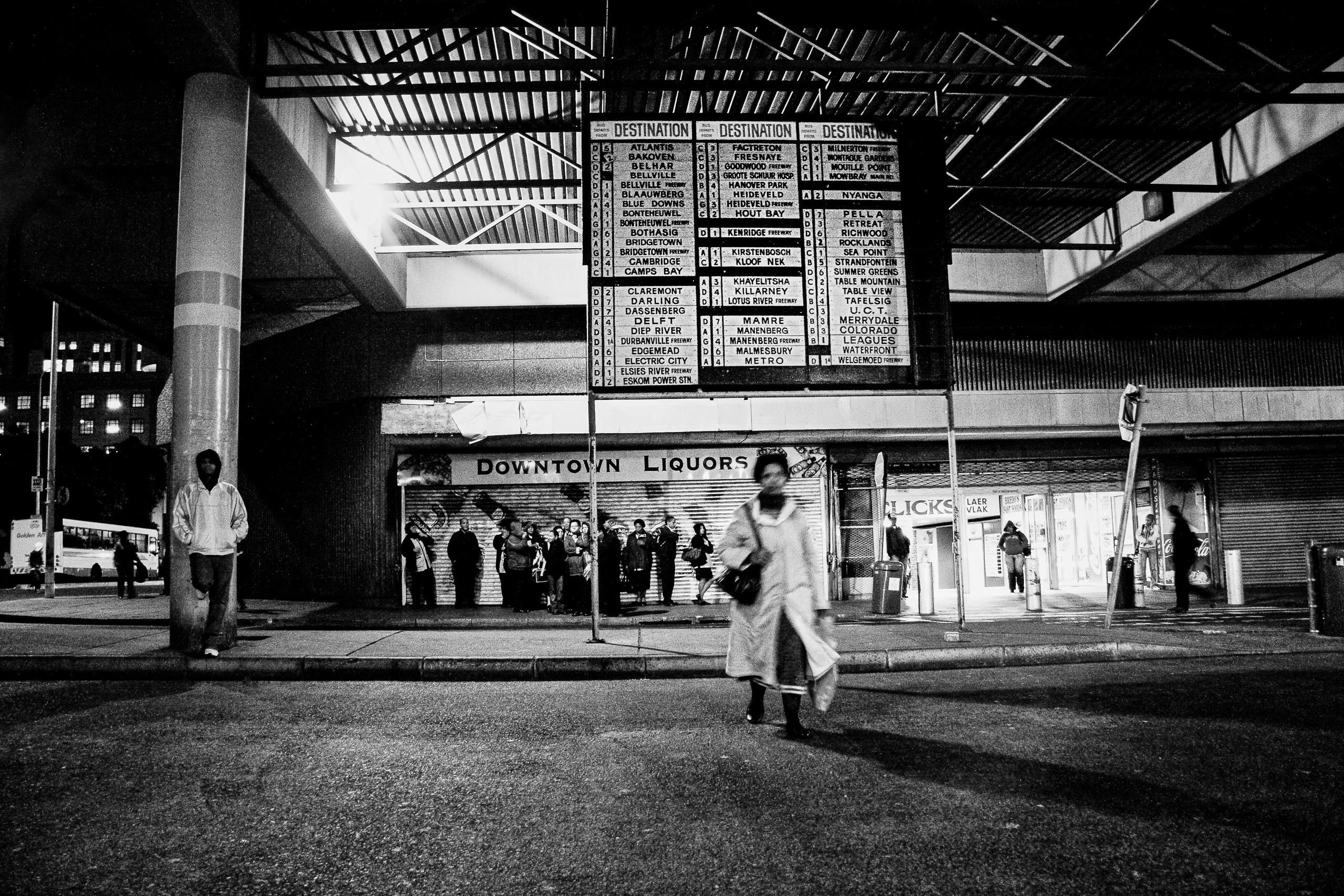
Central Cape Town bus terminus and a large bus destination board listing dozens of place names, with people waiting beneath it outside shuttered shops.
02 / 15 · The board over the bus deck lists Atlantis and Khayelitsha, Sea Point and Nyanga, Table Mountain and Delft, all in the same three columns.Mads Nørgaard
Blikkiesdorp - a large settlement of identical corrugated iron structures in ruled rows, with mountains behind and a boy bending over backwards on sand in the foreground.
03 / 15 · Numbered structures in ruled lines to the horizon, and a boy turning himself over in the sand outside the fence.Mads Nørgaard
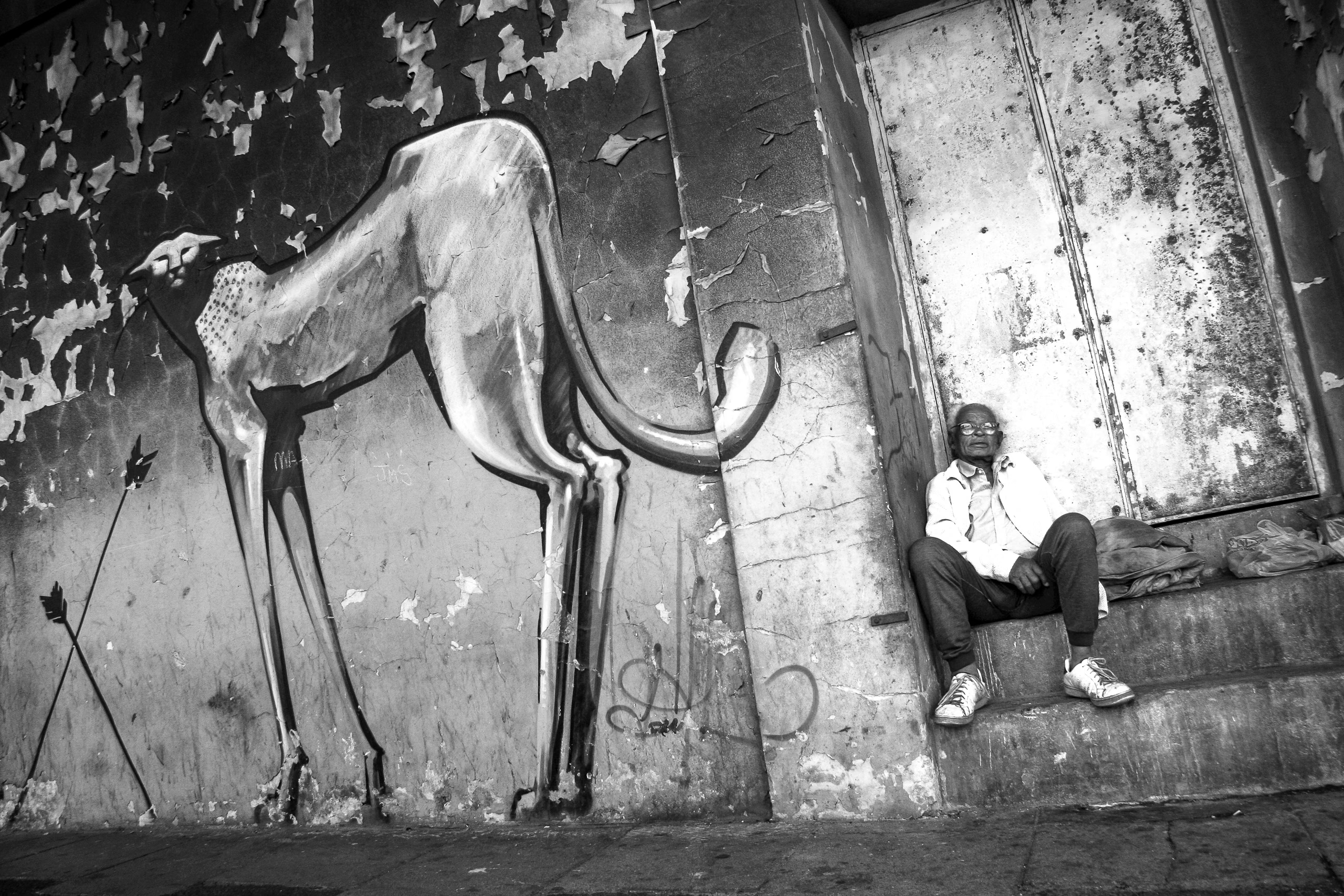
a large painted leopard and arrows on a peeling wall, with a man in a white jacket sitting on a low ledge in the doorway to the right, Woodstock, Cape Town.
04 / 15 · A man sits in a doorway beside a painted antelope and two arrows, his bedding rolled up next to him.Mads Nørgaard
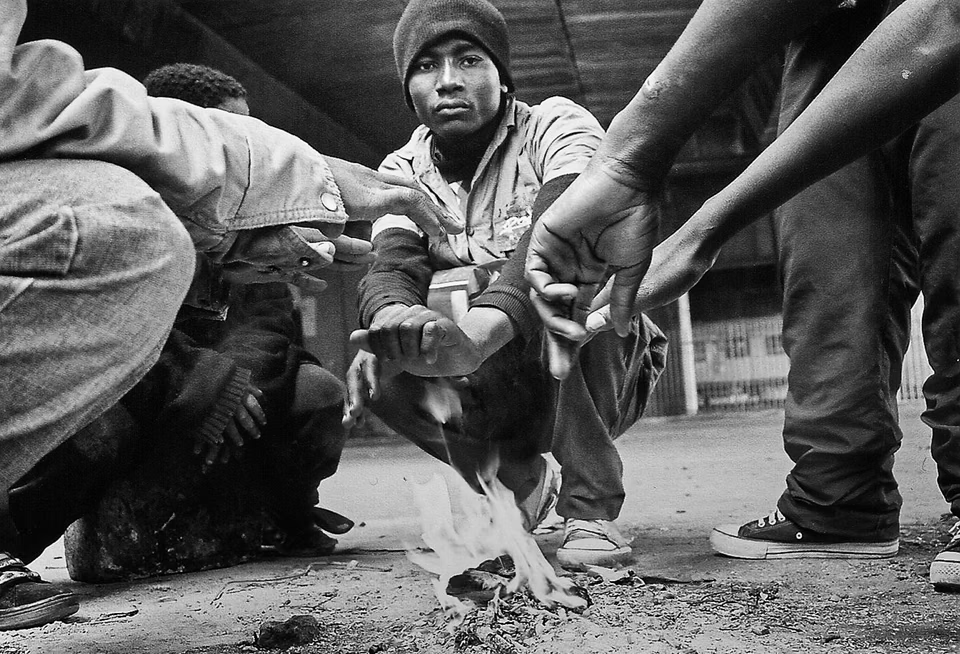
Young people crouching around a small fire on tarmac, holding their hands out over the flames, Cape Town.
05 / 15 · Illegal immigrant with their hands out over a fire of scrap in the road, before the Home Affairs opens on the dock.Mads Nørgaard
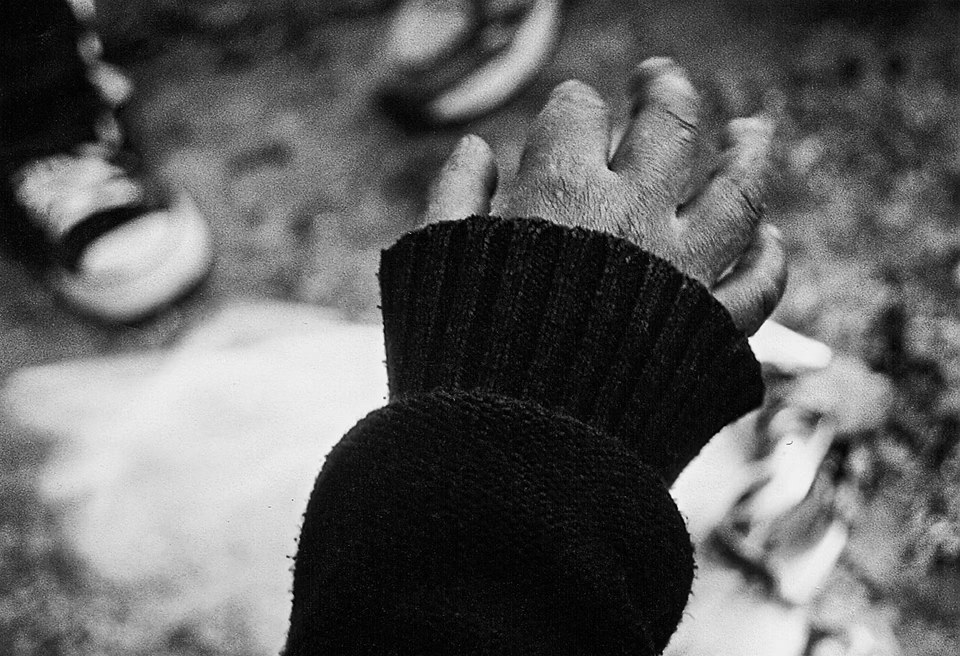
Close-up black and white photograph of a hand in a dark knitted cuff held open above a fire, with other hands out of focus behind.
06 / 15 · A child's hand over the same fire, closer.Mads Nørgaard
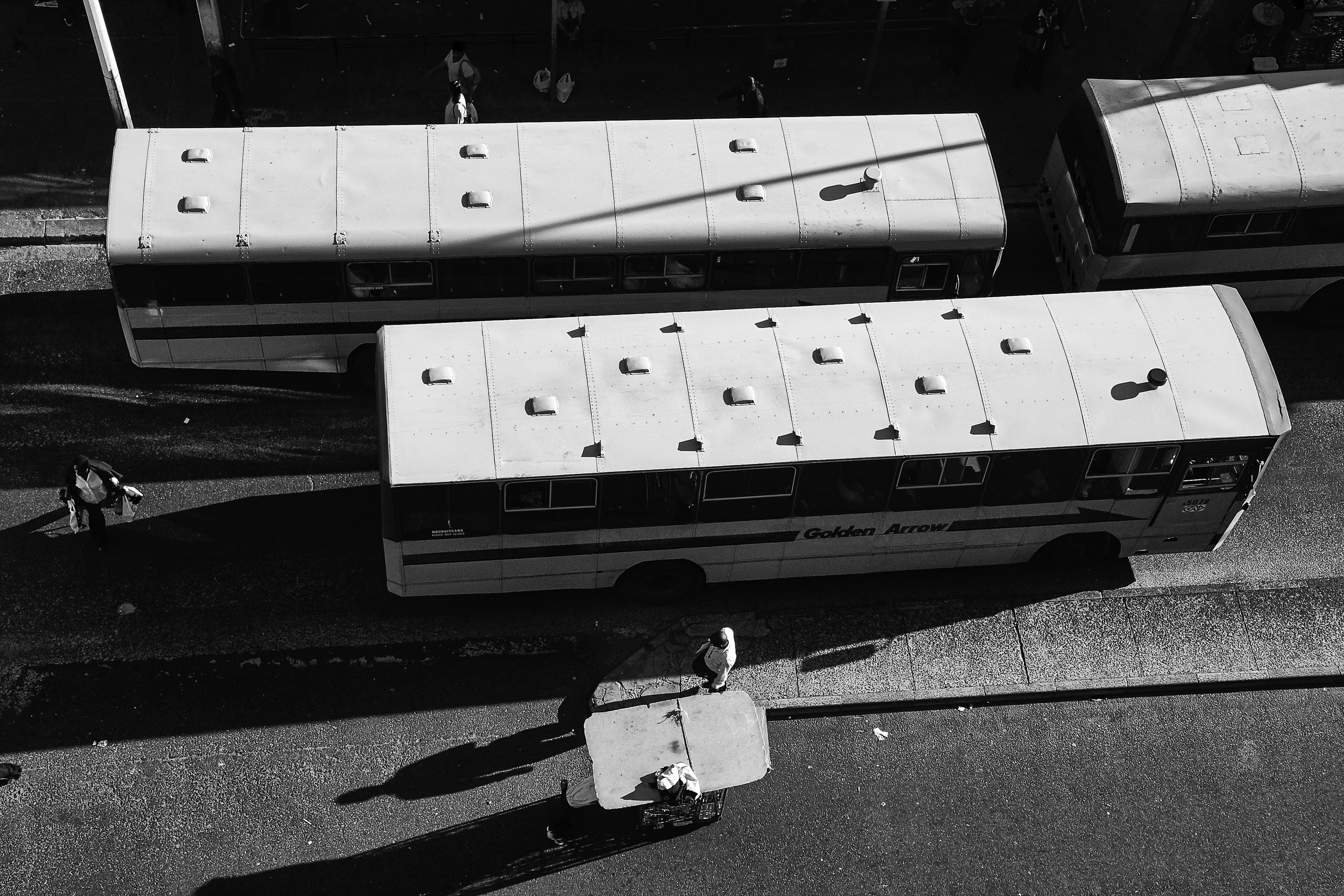
High-angle black and white photograph of two long single-decker buses parked on a street, with pedestrians and their long shadows on the pavement.
07 / 15 · Golden Arrow buses on the rank at first light, seen from above, the shadows longer than the people.Mads Nørgaard
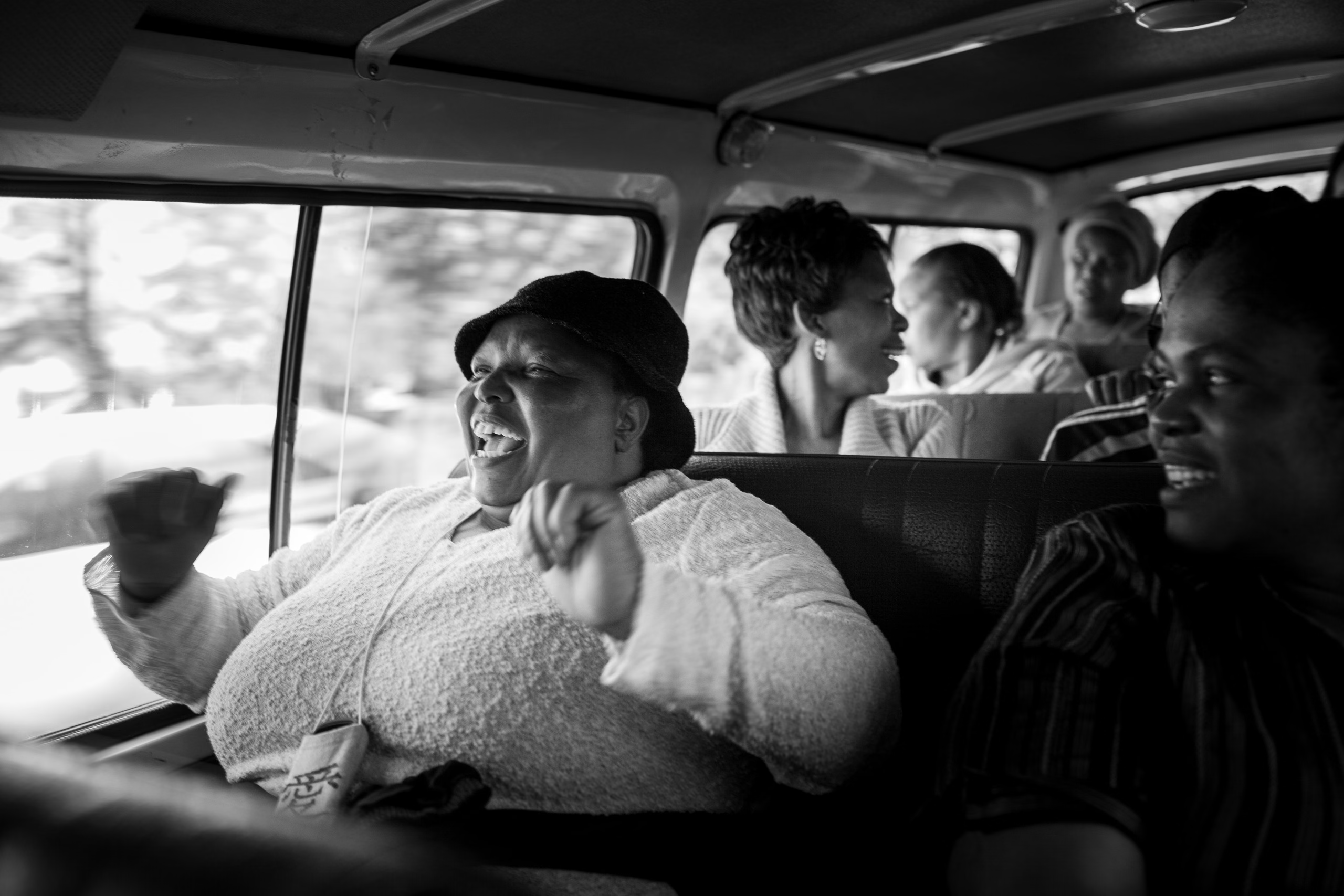
A woman in a cap laughing with her fists raised in the back of a minibus taxi, other passengers talking behind her.
08 / 15 · Word reaches the taxi that the Springboks have won, and a passenger throws her head back with both fists up while the row behind her carries on.Mads Nørgaard
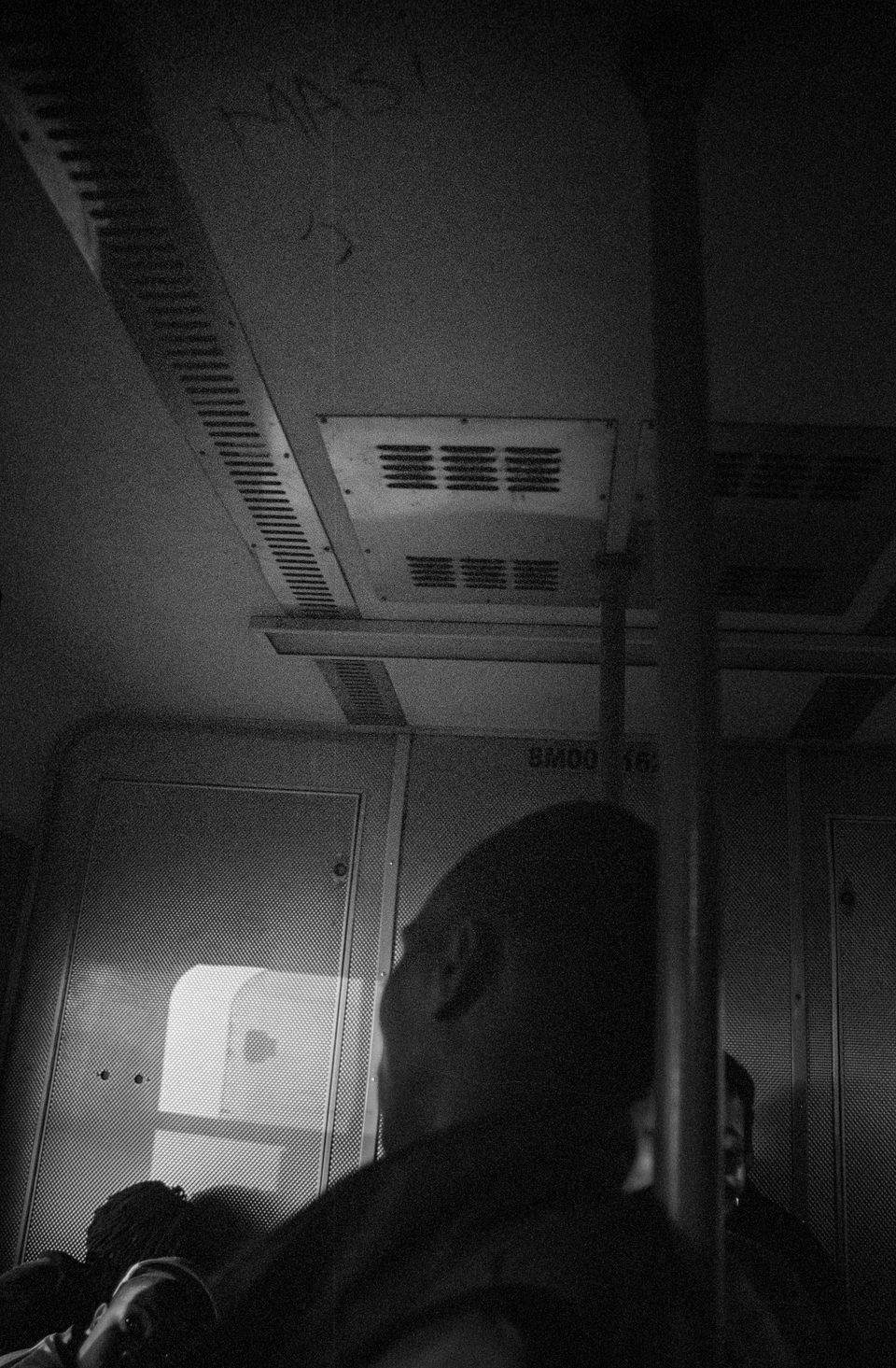
The interior ceiling of a train carriage, with a passenger in silhouette below.
09 / 15 · Vents, a light that is not on, and a passenger's head against the dark.Mads Nørgaard
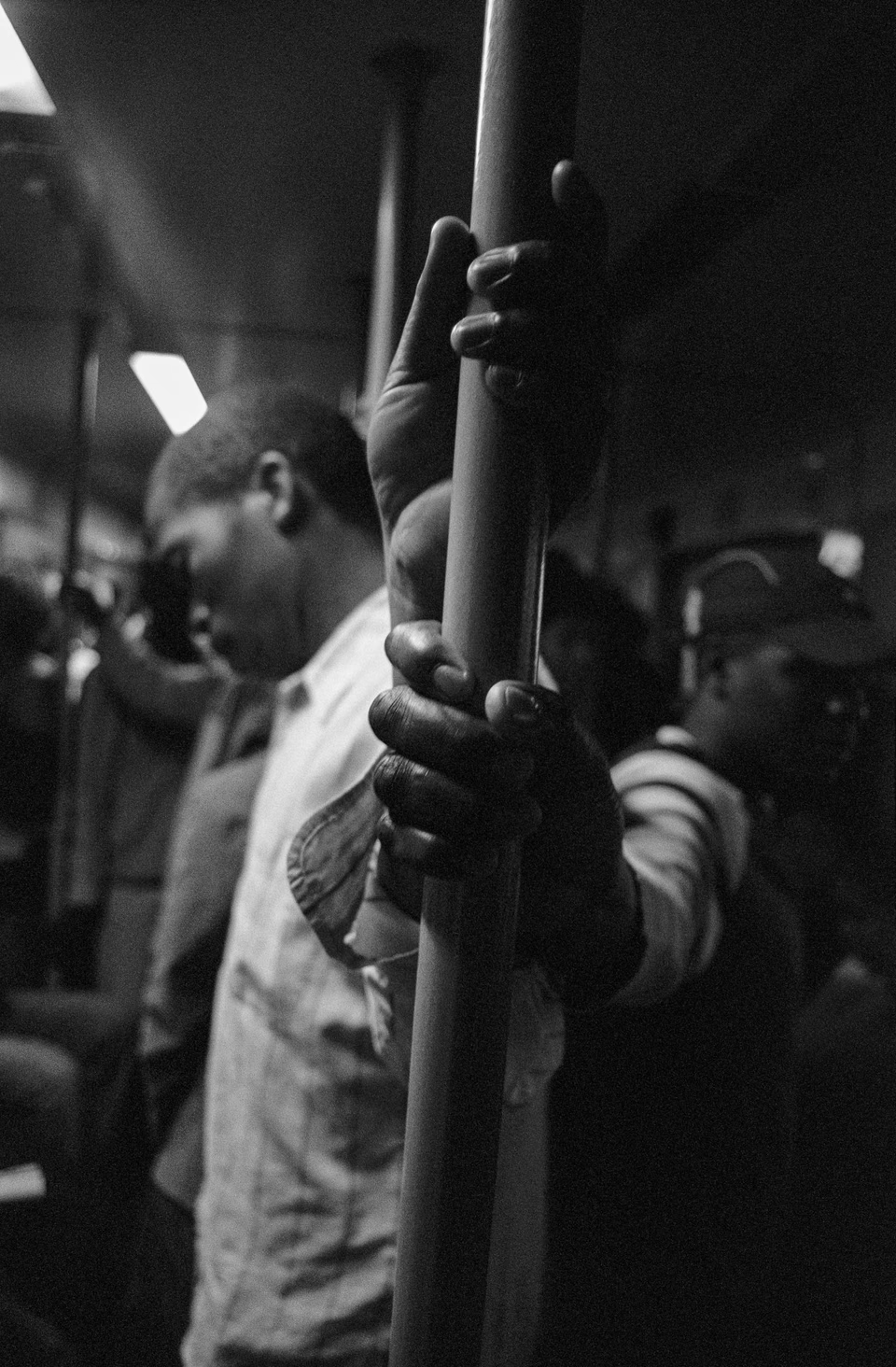
Two hands gripping a vertical metal pole inside a crowded train, passengers out of focus behind.
10 / 15 · Two passengers hold the same pole at different heights, which is how a full carriage is shared.Mads Nørgaard
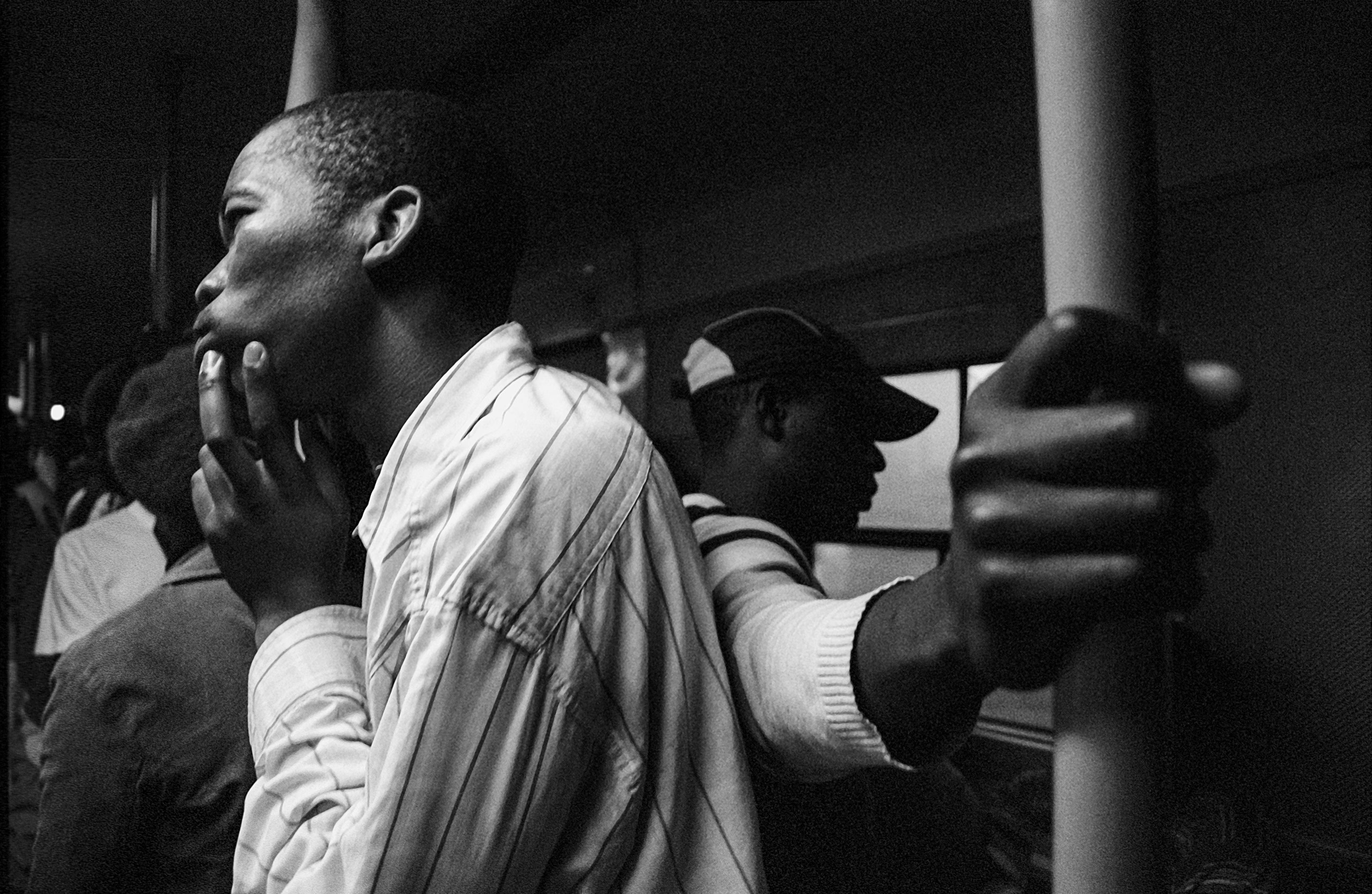
A young man in a striped shirt in profile on a crowded train, one hand to his cheek, another passenger holding the pole beside him.
11 / 15 · A young man rests his hand against his face on the morning train, the carriage packed around him.Mads Nørgaard
Looking straight down at a pedestrian crossing, with a single person walking across the painted white bars.
12 / 15 · One person on the stripes, from the height of a building.Mads Nørgaard
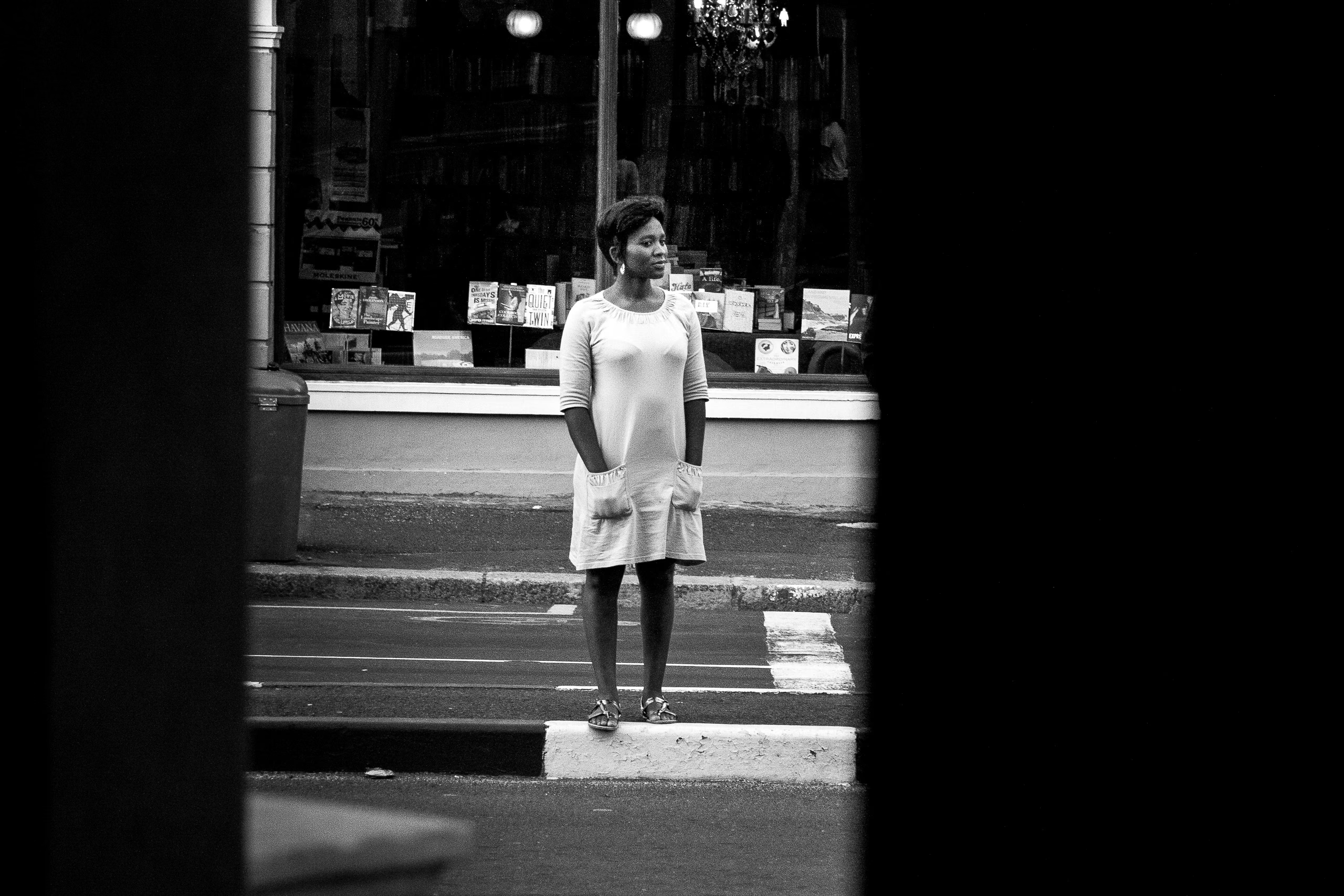
A woman in a pale dress standing on a narrow traffic island in front of a bookshop window, framed by dark vertical edges.
13 / 15 · A woman waits on the traffic island outside a bookshop, seen through the gap between two dark shapes.Mads Nørgaard

The atmosphere on the platforms in the early morning and late evening is markedly different from the chaos of peak time. It is quiet. A few commuters sit reading the newspaper or resting between shifts. Others stand alone, waiting for a connection, thinking. There is a stillness in these hours that contrasts sharply with the relentless cycle of movement that defines the rest of the day. The long hours of work go by, the buses fill again going home, and the cycle repeats the next day, and the next.
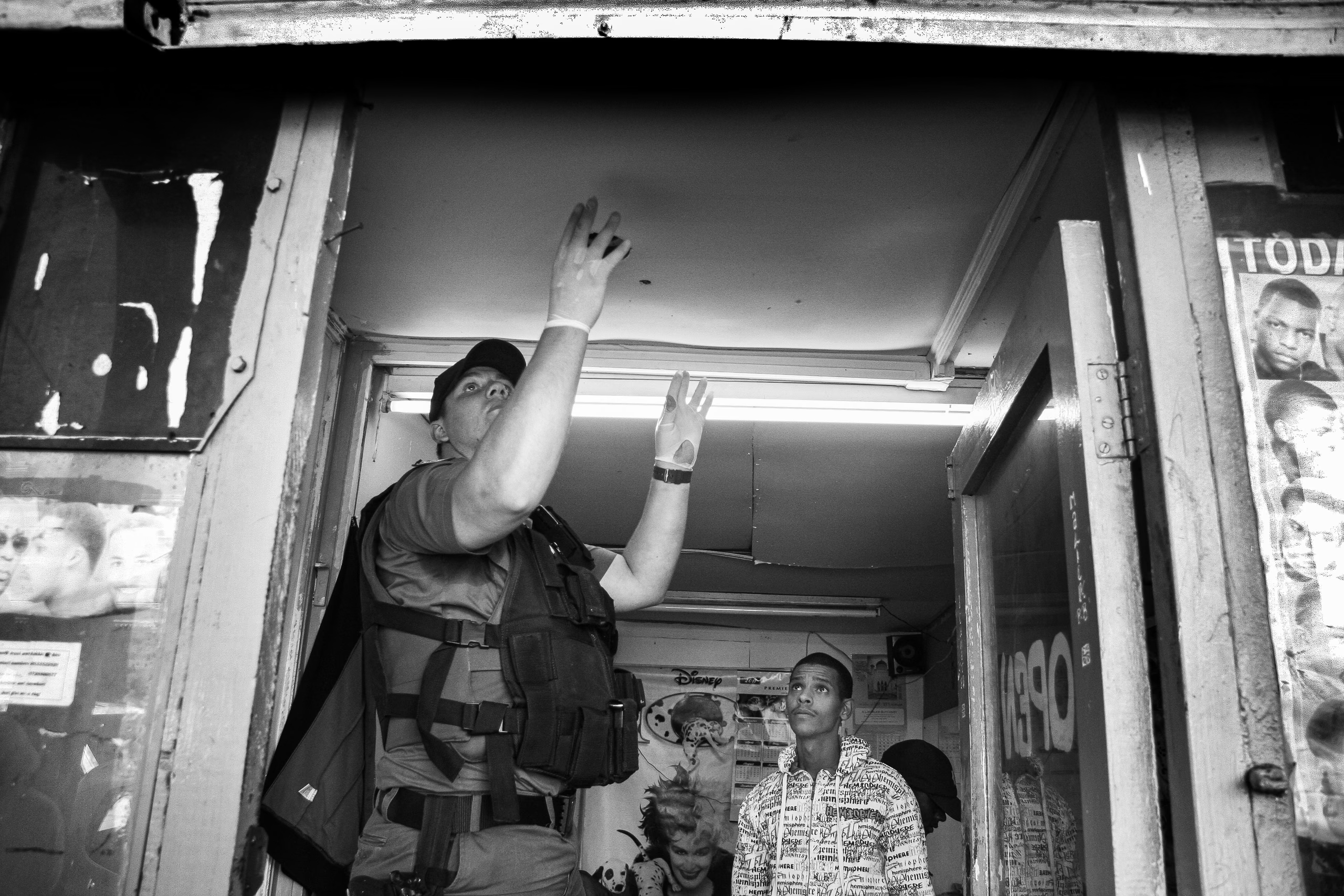
Photograph taken from below of a police officer in a tactical vest with both hands raised in a shop doorway, two men standing inside behind him.
14 / 15 · An officer in body armour raises both hands in a shop doorway while two men watch from inside.Mads Nørgaard
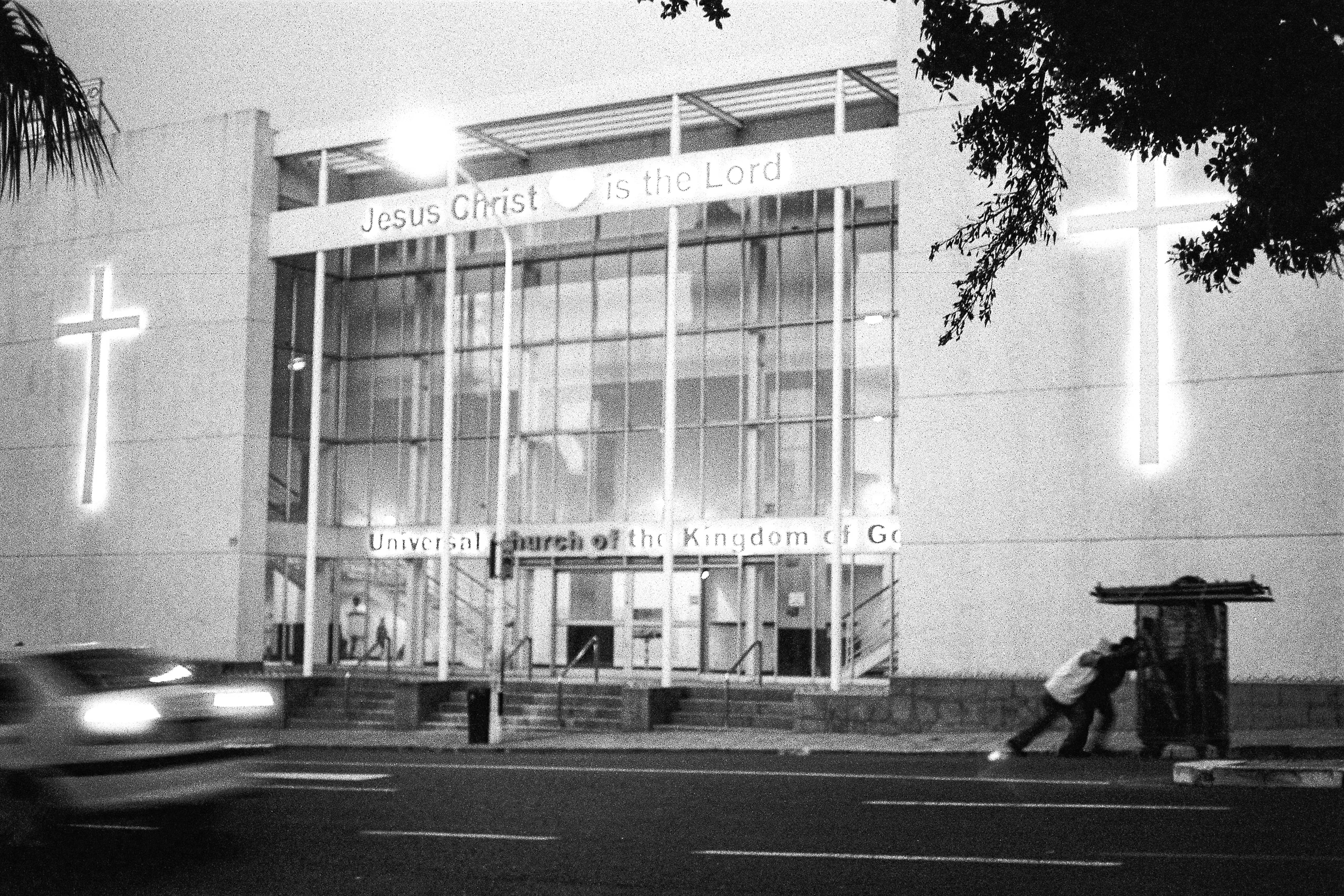
A church facade with two illuminated crosses and a lit sign, a blurred car passing and a man pushing a trolley on the right, Cape Town.
15 / 15 · Two lit crosses on the front of the Universal Church of the Kingdom of God, a car going past, a man pushing his trolley home along the kerb.Mads Nørgaard

These photographs were made during those liminal hours, in a place most of the city's wealthier residents have never visited and will never need to. The terminus exists in the daily experience of hundreds of thousands of people and is invisible to the Cape Town that lives in the southern suburbs, the Atlantic seaboard and the northern suburbs. The images hold the light, the expressions on faces, the posture of tired bodies, and the quiet routines that fill the time between arriving and departing. The terminus is not a destination. It is a point of passage. But for the people who move through it every day, it is also a space of stillness inside a system designed to keep people moving.